
The Science of Hydrogen-on-Demand
Chemically cleaning your engine
Hydrogen does more than simply contribute heat to the combustion process; it fundamentally alters the intermediate flame chemistry. When hydrogen combusts, it general a high concentration of dyroxyl (OH) radicals.
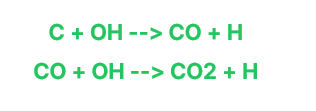
These OH radicals are highly reactive and play a critical role in removing carbon deposits. They react directly with solid carbon ( C ) , converting it first into carbon monoxide (CO) and subsequently into carbon dioxide (CO2), as shown below.
Once the solid carbon has been pyrolyzed and oxidized into gaseous form, it can no longer adhere to internal engine components. The resulting carbon dioxide, along with water vapor (H2O), is expelled harmlessly through the exhaust system.
Restored Compression
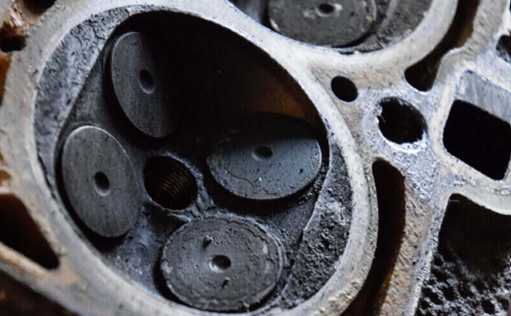
Carbon buildup on piston rings and valve seats prevents a perfect seal, leading to compression loss. Deposits on the piston crown can also create "hot spots" that disrupt flame propagation.
Turbocharger Vanes (VGT)
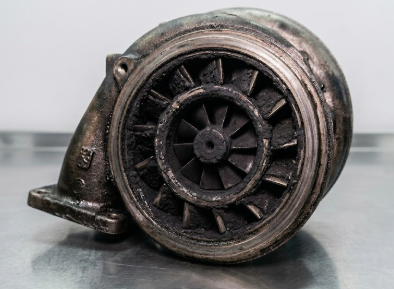
Clears soot from variable geometry vanes, reducing "pumping losses" and improving throttle response. Removing carbon weight from the turbine blades allows for faster spooling and reduced lag.
Fuel Injectors and Spray Patterns
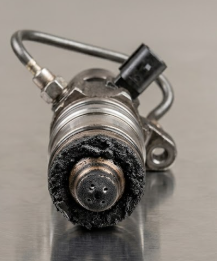
Incomplete combustion leaves hard carbon deposits around injector nozzles, distorting the fine mist of diesel into inefficient droplets. HCarb eliminates carbon around nozzle tips, restoring the original spray pattern for immediate and complete fuel burn.
Engineered for the longevity
Rugged Durability
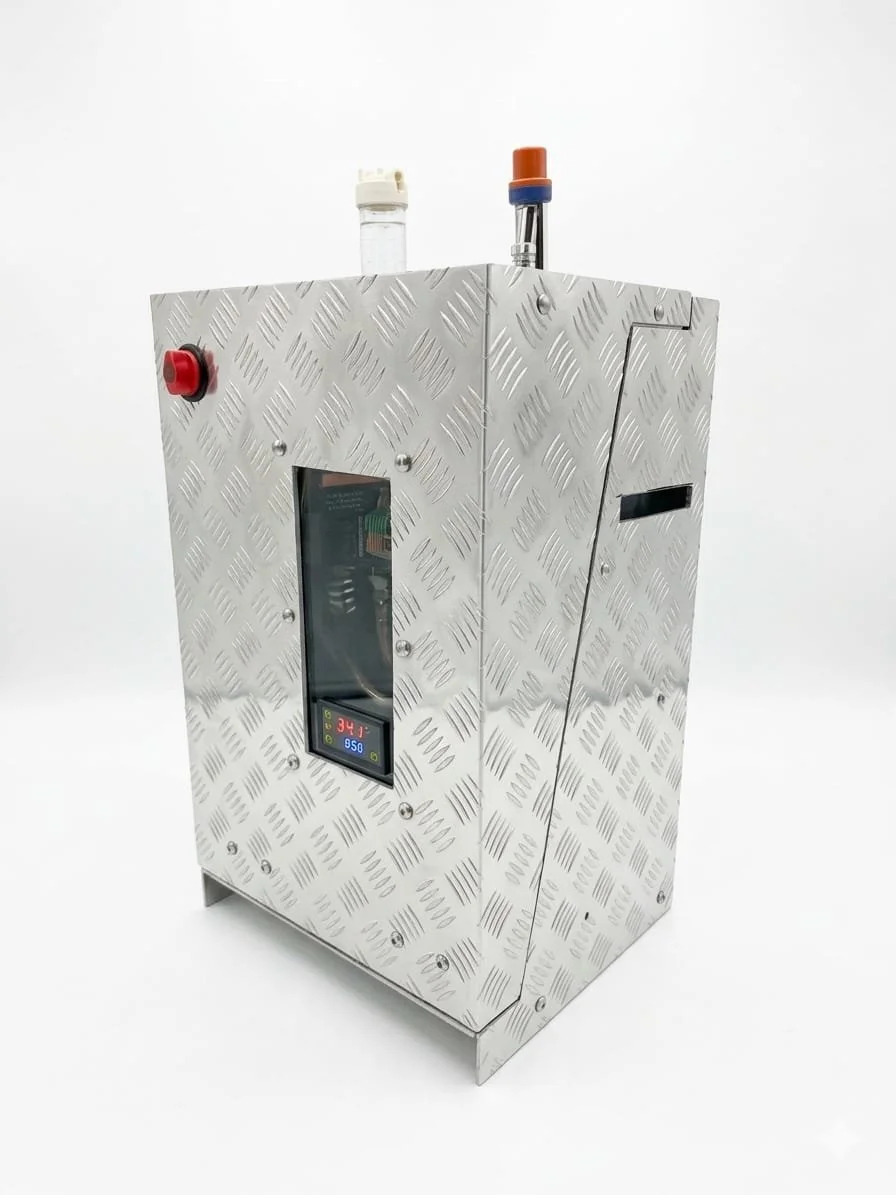
The hardware is housed in a heavy-duty checkered plate box reinforced with angle bars, specifically engineered to withstand the vibration-heavy environment of a diesel chassis.
Thermal Management
Features an independent active cooling system including a radiator and dual blow-in fans to ensure optimal performance in demanding climates.
Limited inputs
Our water reservoir produces enough gas for the units to run for around 50-60 hours for trucks and for a much longer time for the marine solution. Refills are available at most supermarkets and petrol/gas stations.